
 See Our Latest Article on HelloNation

What Causes Pinched Nerves and Who Is at Risk?
A pinched nerve occurs when surrounding tissues—such as bones, cartilage, muscles, or tendons—put too much pressure on a nerve. This compression can lead to numbness, tingling, pain, or weakness. In Malta, NY, daily habits, winter activities, and common work environments can increase the risk. Office workers sitting for long periods, people working in manual labor, and those active in seasonal outdoor chores are especially likely to experience symptoms.
Pinched nerves often develop from repetitive motions, poor posture, or maintaining one position too long. Bulging discs, arthritis, and injuries are also contributing factors. Understanding these causes helps individuals in the community take proactive steps toward prevention.
How Can Posture and Ergonomics Help Prevent Pinched Nerves?
Proper posture and ergonomic arrangements are key to minimizing nerve compression. In both home and office settings across Malta, many residents spend substantial time seated at computers or using mobile devices. Slouching or hunching over places added pressure on nerves in the neck, shoulders, and lower back.
Simple adjustments include:
- Setting screens at eye level to avoid craning the neck
- Using chairs with lumbar support and feet flat on the floor
- Taking regular breaks to stand up and stretch
Those who work with their hands or lift objects can lower their risk with proper body mechanics. Lifting with the legs, not the back, and keeping objects close to the body are effective habits.
Can Local Weather and Seasonal Activities Affect Nerve Health?
Cold weather and icy conditions in Malta during winter months often lead residents to shovel snow, haul firewood, and perform other strenuous outdoor tasks. These activities, if rushed or performed without preparation, increase the likelihood of muscle strain and nerve compression.
To help protect nerves:
- Warm up muscles before shoveling, raking, or gardening
- Dress in layers that preserve flexibility
- Avoid sudden, forceful movements in the cold
Awareness of outdoor surfaces and moving cautiously on snow or ice can also help prevent slips that may result in injuries placing pressure on nerves.
What Role Does Physical Activity Play in Prevention?
Moderate, regular exercise strengthens the muscles that support the spine and joints. For local residents, walks along nearby trails or participation in gentle group fitness classes can both improve flexibility and circulation. These activities are beneficial for nerve health, as strong muscles reduce the chance of impingement.
Popular activities that can help:
- Walking or hiking on level, stable trails
- Water aerobics or swimming at local community pools
- Tai chi or yoga classes suitable for all ages
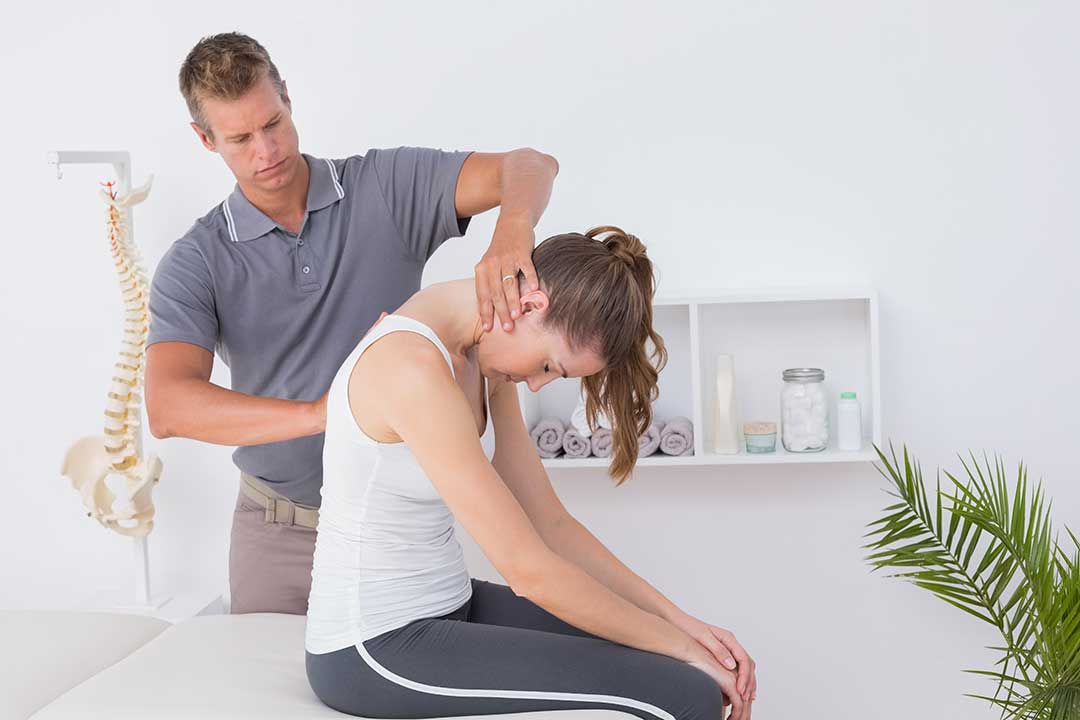
Those returning to exercise after a period of inactivity should start slowly and build up intensity over time. Stretching before and after any activity may further reduce the risk of pinched nerves.
Are There Everyday Habits That Could Increase the Risk?
Certain habits, if overlooked, quietly raise the chances of developing a pinched nerve. These include:
- Carrying heavy bags on one shoulder, causing muscle imbalances
- Sleeping positions that keep the neck or limbs twisted
- Cradling a phone between shoulder and ear for prolonged periods
Making minor changes—like using a backpack with two straps, choosing supportive pillows, and using speakerphone or headphones—can make a meaningful difference for nerve comfort.
What Are Some Overlooked Factors Specific to Malta Households?
Housing patterns in Malta—with a mix of newer developments and older homes—mean residents may encounter a range of furniture designs and mattress quality. Sitting on overly soft sofas, using worn-out mattresses, or setting up makeshift home offices without ergonomic support can contribute to muscle fatigue and nerve compression.
Periodic evaluation of sleeping surfaces and workspaces at home is helpful. Adjusting daily routines to include short movement breaks during indoor winter months—when people in the city spend more time inside—also limits extended periods of pressure on nerves.
When Should Someone Seek Medical Advice?
While most pinched nerve symptoms improve with rest, posture adjustments, and gentle stretching, some situations call for further evaluation. Sudden, intense pain, persistent numbness, or muscle weakness that does not improve with self-care may signal more serious conditions. Residents should consider medical guidance if symptoms disrupt daily activities or worsen over time.
