
 See Our Latest Article on HelloNation
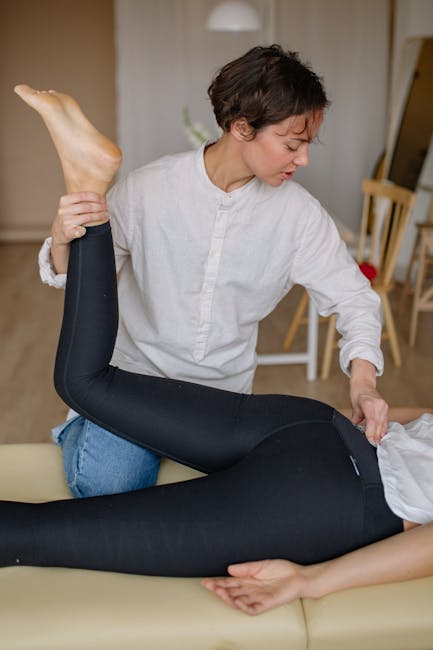
Living in Malta, NY means embracing an active lifestyle. With our proximity to Saratoga Lake, the Malta Community Park, and a calendar full of outdoor and community activities, it’s no surprise that staying healthy and mobile is a priority for many residents. But, whether it’s after a long walk around Shenantaha Creek Park or hours spent at your desk in GlobalFoundries or the tech parks, you might notice the familiar “pop” of a cracking joint and wonder: Is this safe? Is it good or bad for my body? Here’s the truth about cracking joints from a chiropractor’s point of view.
What Causes Joints to Crack?
Joint cracking, medically referred to as “cavitation,” happens when you stretch or move a joint in a way that causes a rapid change in pressure within the synovial fluid—the lubricating substance that bathes your joints. This pressure change creates gas bubbles, which collapse or “pop,” producing the sound you hear.
- Fingers, knees, ankles, back, and neck are the most commonly cracked joints.
- No bones are actually rubbing or breaking when you hear the cracking sound.
Myths vs. Facts: The Science Behind Joint Cracking
Myth 1: Cracking Your Knuckles Causes Arthritis
This is one of the most common myths I hear, both in my Malta office and in casual conversation with locals. However, scientific studies—including a large-scale review by the Journal of the American Board of Family Medicine—have consistently found no link between habitual knuckle cracking and arthritis development.
Fact: Repeated joint cracking has not been shown to cause arthritis, but it may cause mild swelling or a decrease in grip strength over time if done excessively.
Myth 2: The Noise Means Something Is Wrong
Not at all! The “crack” is simply a byproduct of gas bubbles forming and collapsing quickly. It doesn’t mean bones are being ground together or that damage is occurring.
Fact: Occasional joint sounds are normal and usually not a cause for concern, especially if they are not accompanied by pain, swelling, or loss of function.
Myth 3: Cracking Your Own Back or Neck Is Safe
This is where things differ. While cracking your knuckles or knees occasionally is usually harmless, trying to twist or force your spine—especially your neck—can lead to strain or injury, especially if you’re not trained.
Fact: If you often feel the urge to crack your neck or back, it may be a sign of underlying misalignment or tension and is best evaluated by a chiropractor.
Why Do People Like the Feeling of Cracking Joints?
Many Malta residents report feeling relief or satisfaction after cracking a joint. This sensation can be due to a temporary release of pressure or an improved sense of mobility after the joint is stretched. In the chiropractic world, spinal adjustments—administered with precision and care—can also relieve discomfort and restore function, but they differ significantly from self-manipulation.
When Should You Be Concerned About Joint Cracking?
For the most part, joint cracking is benign. However, it’s important to seek professional advice if you experience:
- Pain when the joint cracks
- Swelling, redness, or reduced movement
- Your joint gets “stuck” or locks up
- Recent injury, especially to the spine or neck
Painful joint sounds may indicate issues like tendon or ligament problems, arthritis, or cartilage damage, which are best diagnosed by a healthcare professional familiar with the active, hardworking lifestyles of Malta, NY.
Is There a Benefit to Cracking Joints?
While the act of cracking your own joints isn’t proven harmful, it doesn't provide long-term structural benefits either. That sensation of relief is usually temporary. Chiropractic adjustments, however, are focused on correcting misalignment, improving joint movement, and relieving nerve pressure—crossing over into substantial health benefits when performed by a trained professional.
Chiropractic Care vs. Self-Cracking
- Self-Cracking: Usually provides a short-lived feeling of release but may not address deeper musculoskeletal issues.
- Chiropractic Adjustment: Targets specific spinal misalignments with controlled force, providing longer-lasting relief, reducing nervous system interference, and supporting full-body wellness tailored to your unique Malta lifestyle.
Joint Health Tips for Malta, NY Residents
At the heart of our town’s charm is its balance of work, play, and community. Whether you’re enjoying a local run or spending hours behind a desk, here are some ways to keep your joints healthy:
- Stay active: Engage in a variety of activities, from hiking trails by Saratoga Lake to pickleball at the Malta Community Center.
- Work ergonomically: Adjust your home and workplace setups to support good posture and minimize repetitive stress.
- Stretch regularly: Incorporate mobility exercises and stretching into your routine, especially if you’re sitting or driving frequently.
- Listen to your body: Don’t ignore persistent joint noises if they’re accompanied by discomfort or loss of function.
- Consult a chiropractor: For tailored advice, prevention, or treatment—especially with Malta’s on-the-go lifestyle.
Frequently Asked Questions About Joint Cracking
Is joint cracking more common as we age?
Yes. As cartilage wears and muscles stiffen, joints may crack more frequently. However, this doesn’t automatically signal disease.
Can children crack their joints?
Kids are often more flexible and may experience normal joint noises as they grow and become more active around Malta’s parks and playgrounds.
Should I try to force a joint to crack?
No! Forcing a joint can cause strain or injury. If you’re feeling stiff or uncomfortable, gentle movement and stretching are safer alternatives.
Conclusion
Living in Malta, NY encourages us to remain active, healthy, and engaged. Understanding the truth about cracking joints can help you make informed decisions about your body and when to seek chiropractic care. Remember, occasional, painless joint sounds are usually normal, but when in doubt—or if you’re experiencing discomfort—it’s wise to consult a qualified chiropractor familiar with the unique needs of our Malta community.
Keep moving, stay informed, and enjoy everything that life in Malta has to offer—without worrying about every little “pop” along the way!
