
 See Our Latest Article on HelloNation
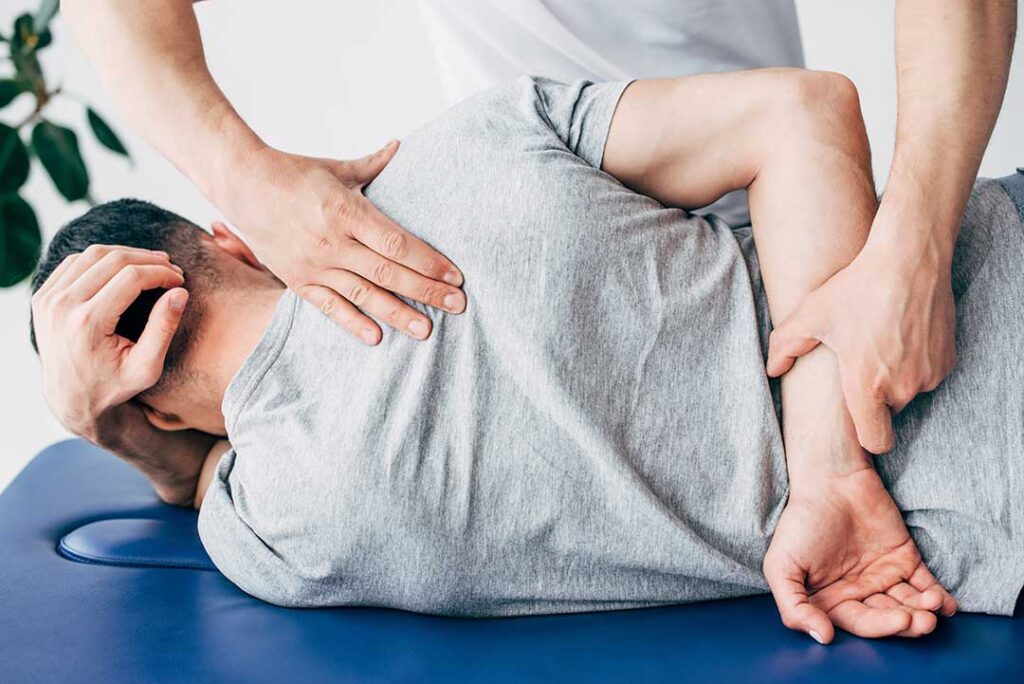
Golf places repeated demands on the spine, hips, shoulders, and legs. Chiropractic care may help some golfers move more comfortably by addressing joint motion, muscle tension, and movement habits that affect the swing. It is not a replacement for golf instruction, strength training, medical evaluation, or physical therapy, but it can be one part of a broader approach to staying active.
For golfers in Malta, NY, the transition from winter inactivity to spring practice can be especially relevant. Spending months with less rotation, walking, or recreational exercise may leave the body less prepared for repeated swings when the season begins.
How can chiropractic care affect a golf swing?
Chiropractic care may support a golf game by improving mobility and reducing musculoskeletal discomfort. A swing requires coordinated movement between the feet, knees, hips, pelvis, spine, shoulders, and arms. If one area moves poorly, another area may compensate.
A typical evaluation may consider:
- Spinal and pelvic mobility
- Hip rotation and flexibility
- Shoulder and upper-back movement
- Muscle balance and endurance
- Posture during setup
- Symptoms that appear during practice, walking, or rotation
The goal is not to make the spine move as much as possible. The goal is to help each region contribute appropriately so the lower back does not absorb more motion or force than it can tolerate.
Research reviews consistently identify the lower back as one of the most common areas affected by golf-related injury. However, the exact relationship between a particular swing pattern and back pain is complex, and not every golfer with a certain movement pattern will develop symptoms. ([pubmed.ncbi.nlm.nih.gov](https://pubmed.ncbi.nlm.nih.gov/35783335/?utm_source=openai))
Can chiropractic treatment improve flexibility and rotation?
It may, particularly when restricted joint motion is contributing to stiffness or discomfort. Chiropractic treatment can include spinal manipulation, mobilization, soft-tissue techniques, stretching guidance, and exercises. The specific approach should depend on the person’s symptoms, health history, and movement findings.
A golfer who cannot comfortably rotate through the upper back may turn excessively through the lower back. A golfer with limited hip rotation may also alter pelvic movement during the backswing or follow-through. These changes do not automatically indicate an injury, but they can make the swing feel restricted or place more stress on certain tissues.
Spinal manipulation is one of several conservative options studied for low-back pain. Evidence suggests it may provide mild-to-moderate relief for some people, particularly when combined with active strategies such as exercise and self-management. ([nccih.nih.gov](https://www.nccih.nih.gov/health/spinal-manipulation-what-you-need-to-know?utm_source=openai))
Improved flexibility alone, however, does not guarantee longer drives or lower scores. A comfortable range of motion must be combined with control, strength, balance, and sound swing mechanics.
What areas matter most for golfers?
The hips and upper back often deserve attention because they help distribute rotational movement.
Hips
The hips contribute to weight transfer, pelvic rotation, stance stability, and the ability to maintain posture. Limited hip motion may cause a golfer to rotate more through the lumbar spine, which is less suited to repeated high-speed rotation than the hips and thoracic spine.
Upper back
The thoracic spine, located between the neck and lower back, contributes to the backswing and follow-through. Limited movement in this area may encourage excessive movement from the neck or lower back.
Core and trunk muscles
The abdominal, back, and pelvic muscles help control the body during the swing. Golfers with a history of low-back pain may demonstrate differences in trunk strength, hip strength, or trunk rotation compared with golfers without that history. ([pubmed.ncbi.nlm.nih.gov](https://pubmed.ncbi.nlm.nih.gov/20592479/?utm_source=openai))
Shoulders and neck
Shoulder mobility affects the ability to set up comfortably and complete the swing. Neck and shoulder tension may also become more noticeable after long practice sessions, especially when golfers repeatedly address the ball in the same posture.
Does chiropractic care fix swing faults?
No. Chiropractic care does not replace instruction in grip, posture, alignment, club path, balance, or swing sequencing. A golfer can have normal joint motion and still have a technical swing problem. Likewise, a golfer can have excellent mechanics and still experience pain from overuse, deconditioning, arthritis, or another health condition.
A practical approach is to separate the roles:
- A golf instructor can assess technique and swing mechanics.
- A chiropractor or other qualified clinician can evaluate musculoskeletal movement and symptoms.
- A physical therapist or exercise professional can help develop strength, endurance, and return-to-play progressions.
- A medical clinician may be needed when symptoms suggest a more serious condition.

Golf-related back pain has multiple possible contributors, including training volume, trunk endurance, hip mobility, swing mechanics, footwear, and how a golf bag is carried. No single adjustment or treatment can address all of these factors. ([pubmed.ncbi.nlm.nih.gov](https://pubmed.ncbi.nlm.nih.gov/25741420/?utm_source=openai))
How can golfers prepare for the season?
A gradual increase in activity is usually more sensible than beginning with a long practice session or full round after months away. This is particularly useful during the early-season transition in the Malta community, when outdoor activity increases after colder months.
Before hitting full shots, golfers can spend several minutes on gentle movement:
- Walking at an easy pace
- Hip hinges and bodyweight squats
- Controlled trunk rotations
- Shoulder circles
- Practice swings that gradually increase in speed
- Light mobility work for the hips and upper back
Warm-up movements should be comfortable rather than forceful. Stretching aggressively into pain is unlikely to prepare the body better.
Practice volume also matters. Repeating the same swing hundreds of times can irritate tissues even when each individual swing feels manageable. Alternating full swings with short-game practice, taking breaks, and increasing range sessions progressively may reduce unnecessary strain.
When should back or joint pain be evaluated?
Pain that is severe, persistent, worsening, or associated with weakness, numbness, loss of coordination, fever, unexplained weight loss, or changes in bowel or bladder function requires prompt medical attention. Sudden pain after a fall or direct impact also deserves evaluation.
For less urgent symptoms, persistent pain that changes the swing, limits walking, disrupts sleep, or returns every time practice resumes should not simply be ignored. A proper evaluation can help identify whether the problem is related to joints, muscles, nerves, training load, technique, or another condition.
Chiropractic care may be appropriate for some musculoskeletal complaints, but spinal manipulation is not suitable for every person or every diagnosis. A careful history and examination should come before treatment, and communication among healthcare providers is useful when symptoms are complicated.
What is a realistic expectation?
The most realistic benefit is improved comfort, movement confidence, and tolerance for golf-related activity—not a guaranteed change in handicap. Chiropractic care may help reduce stiffness or address movement limitations, while exercise, gradual practice, recovery, and swing instruction support longer-term performance.
For many recreational golfers, the best results come from combining several modest improvements: better hip and upper-back mobility, stronger trunk and legs, a gradual practice schedule, appropriate equipment habits, and attention to early warning signs. That combination can make it easier to enjoy the course without treating pain as a normal requirement of the game.
