
 See Our Latest Article on HelloNation
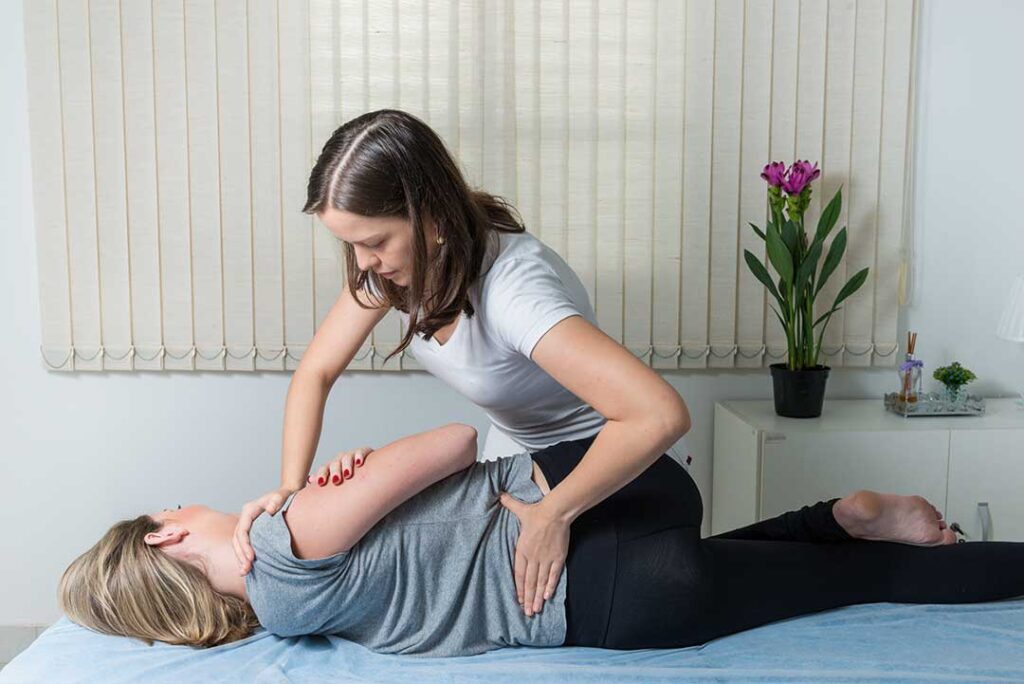
Knee pain can often be eased without medication, especially when it is related to overuse, mild irritation, stiffness, or reduced muscle strength. Helpful approaches include temporarily modifying activity, using cold or warmth appropriately, improving leg strength, and reducing strain during everyday movements.
The right approach depends on why the knee hurts. A sore knee after yardwork is managed differently from a knee that locks after a fall, becomes hot and swollen, or has gradually worsened over several months.
What can cause knee pain?
Knee discomfort may come from several sources, including muscle strain, tendon irritation, bursitis, arthritis, ligament injuries, meniscus problems, or pain referred from the hip or lower back. Overuse is common after a sudden increase in walking, running, stair climbing, home repairs, gardening, or recreational activity.
The pattern of symptoms offers useful clues:
- Pain that appears after increased activity may suggest overuse or irritation.
- Pain with stairs, squatting, or prolonged sitting can occur with kneecap-related problems.
- Swelling, catching, or locking may indicate a joint or meniscus problem.
- Morning stiffness that improves with movement may occur with arthritis.
- A sudden pop, major swelling, or inability to bear weight requires prompt assessment.
A home-care plan is most appropriate for mild symptoms without a significant injury, deformity, fever, or severe swelling.
Should you use ice or heat?
For a newly irritated or swollen knee, cold is usually the better first choice. Place a cold pack wrapped in a towel over the knee for about 15 to 20 minutes, then remove it. A short break between applications helps protect the skin. Do not fall asleep with an ice pack in place. ([medlineplus.gov](https://medlineplus.gov/ency/article/003187.htm?utm_source=openai))
Heat may be more comfortable for stiffness or tight muscles, particularly before gentle movement. A warm shower or low-setting heating pad can help loosen the area before stretching. Heat is generally less suitable for a knee that is newly swollen, visibly red, or hot.
Elevation may also reduce swelling. When resting, place the leg on pillows so the knee is higher than the level of the heart when practical. A light compression sleeve may provide support, but it should not cause numbness, tingling, increased pain, or color changes in the foot.
How can movement help without making the knee worse?
Complete rest is rarely the best long-term strategy. Gentle, controlled movement can preserve flexibility and help prevent the stiffness that often follows prolonged sitting.
Start with low-impact activity that does not noticeably increase symptoms during the exercise or later that day. Examples include:
- Easy walking on level ground
- Stationary cycling with light resistance
- Water exercise
- Gentle range-of-motion movements
- Short bouts of activity spread throughout the day
Residents dealing with icy sidewalks or uneven winter surfaces may need to choose indoor walking, cycling, or water-based exercise temporarily. A stable surface and supportive footwear can reduce the risk of both aggravation and falls.
Use the “next-day” test: if the knee is substantially more painful or swollen the following morning, reduce the duration, intensity, or frequency of the activity.
Which exercises may support the knee?
Strengthening the muscles around the hip and thigh can reduce the workload placed on the knee. Exercises should be slow and controlled, with no sharp pain.
A simple starting routine may include:
- Straight-leg raise: Lie on your back with one knee bent and the other leg straight. Tighten the thigh of the straight leg, raise it several inches, pause briefly, and lower it.
- Supported half-squat: Hold a sturdy chair or countertop. Bend the knees only a small amount, keeping the chest lifted and the knees aligned with the feet.
- Standing hamstring curl: Hold a stable surface, bend one knee, and bring the heel gently toward the back of the thigh.
- Calf stretch: Face a wall, place one foot behind the other, and gently shift forward while keeping the back heel down.
Begin with a small number of repetitions rather than trying to complete a demanding routine immediately. The American Academy of Orthopaedic Surgeons includes supported half-squats and standing hamstring curls among exercises used in knee conditioning programs. ([orthoinfo.aaos.org](https://orthoinfo.aaos.org/globalassets/pdfs/2017-rehab_knee.pdf?utm_source=openai))
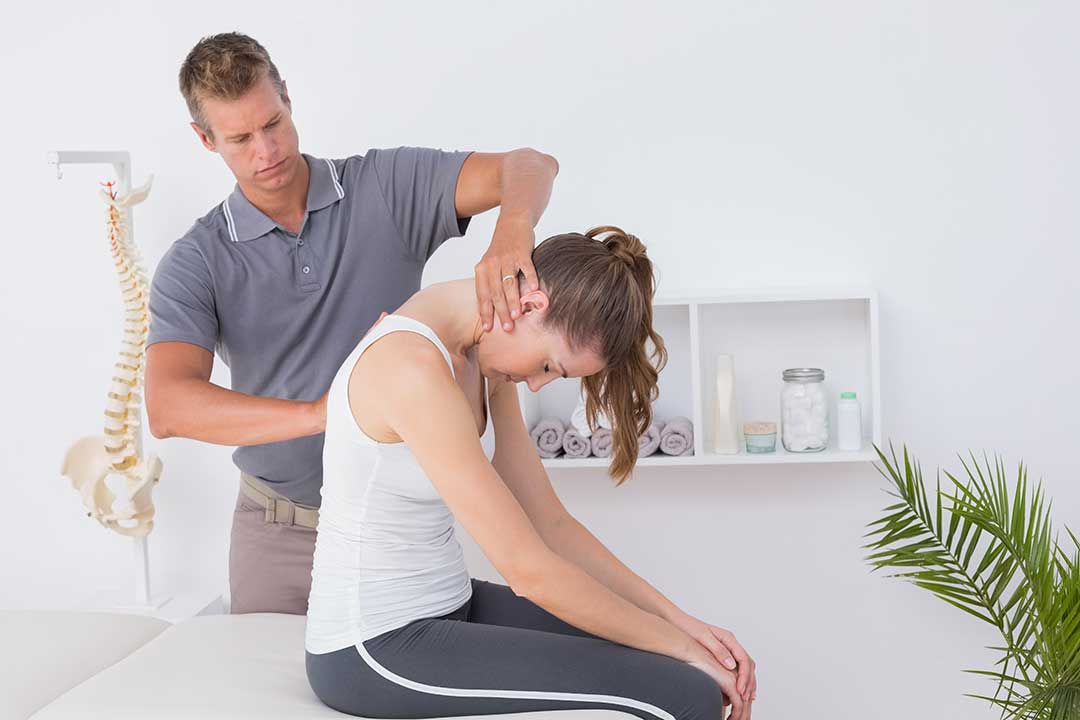
If an exercise causes sharp pain, instability, or increased swelling, stop that movement. A chiropractor, physical therapist, or other qualified clinician can help determine whether an exercise is appropriate when symptoms persist or the cause is uncertain.
How can daily habits reduce knee strain?
Small changes in movement can make a noticeable difference. Avoid repeatedly kneeling, deep squatting, twisting while carrying loads, or running downhill while the knee is irritated. For household tasks, alternate positions and take brief movement breaks instead of remaining crouched or standing in one position for a long period.
During gardening or outdoor chores, use a raised surface when possible, switch tasks before fatigue builds, and avoid carrying heavy loads up stairs. In winter, clearing slippery walking areas and using handrails can help prevent the sudden twisting injuries that occur during slips.
Footwear also matters. Shoes that fit well and provide adequate support may reduce stress on the legs, particularly during walking on pavement or spending time on hard indoor floors. Arch supports may help some people, but they are not appropriate for every type of knee pain.
Can weight management help knee pain?
For people carrying excess body weight, gradual weight reduction may lessen the forces transmitted through the knee during walking and stair climbing. It does not need to involve intense exercise. Short walks, cycling, water activity, and nutrition changes can be combined in manageable steps.
Weight should not be treated as the only explanation for knee pain. A person at any body size can develop an injury, arthritis, tendon irritation, or another condition that needs specific care.
When should knee pain be evaluated?
Seek prompt medical attention after a fall, collision, or twisting injury if the knee changes shape, swells rapidly, cannot bear weight, or cannot move normally. Urgent evaluation is also appropriate for a red, hot, very swollen knee accompanied by fever, or for severe pain without a clear cause. ([medlineplus.gov](https://medlineplus.gov/ency/article/003187.htm?utm_source=openai))
Arrange a routine evaluation if mild knee pain does not begin improving after several days of sensible home care, keeps returning, or continues for a few weeks. Persistent symptoms may require an examination to distinguish arthritis from tendon, ligament, meniscus, hip, or lower-back problems.
Medication-free care can be useful, but it should not delay evaluation of warning signs. The safest plan combines gradual activity, appropriate cold or warmth, strength and flexibility work, and attention to how the knee responds over the next 24 hours.
