
 See Our Latest Article on HelloNation
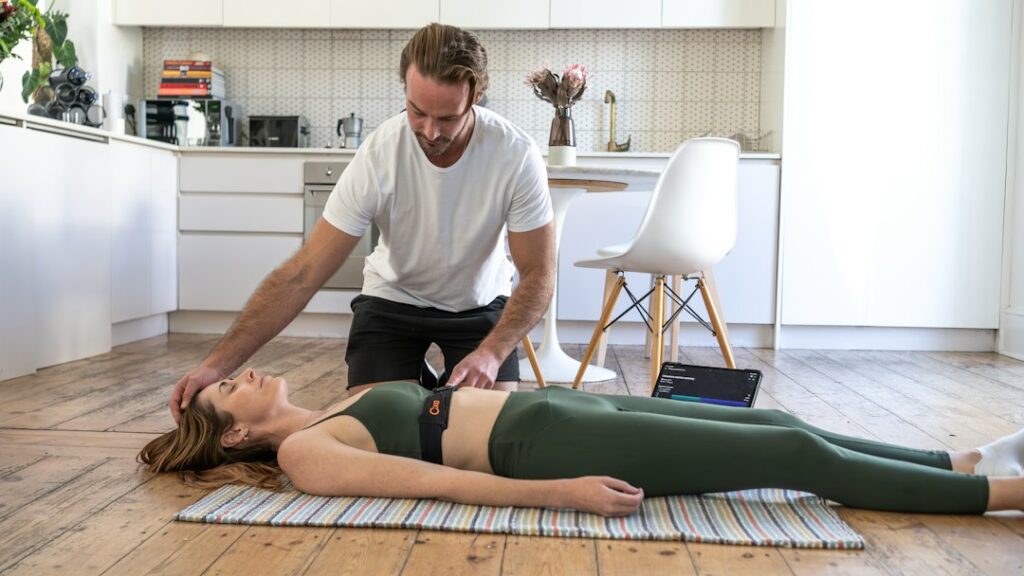
Chronic pain is pain that continues or returns for at least three months. It may come from an old injury, arthritis, nerve irritation, recurring headaches, inflammation, or a condition that requires ongoing medical care. Self-care cannot replace diagnosis or treatment, but it can help many people improve movement, sleep, confidence, and day-to-day function.
For residents in Malta, seasonal changes and household routines can affect symptoms. Cold temperatures may make muscles feel stiffer, while snow removal, icy walking surfaces, long drives, home maintenance, and extended periods indoors can increase strain. A practical plan should account for these everyday demands rather than focus only on pain intensity.
What is the most helpful first step for chronic pain?
The most useful starting point is to understand the pattern of the pain instead of reacting to each painful day separately. Keep a simple record for one or two weeks that includes:
- Where the pain occurs and how it feels
- What activities make it better or worse
- Sleep quality and fatigue
- Sitting, standing, walking, lifting, or driving time
- Stress levels and mood
- Any numbness, weakness, swelling, or changes in balance
This information can reveal connections that are easy to miss. For example, back discomfort may be worse after sitting through a long commute, while shoulder pain may follow repetitive household work. A symptom record can also make conversations with a physician, physical therapist, chiropractor, or other licensed clinician more specific.
Pain intensity matters, but function matters too. Being able to walk farther, sleep more consistently, prepare a meal, or complete household tasks with fewer interruptions may indicate progress even when pain has not disappeared.
How should movement be used without making pain worse?
Regular, manageable movement is generally more useful than alternating between complete rest and overexertion. The goal is to stay active within a tolerable range and increase activity gradually.
Start with activities that place limited stress on painful areas, such as:
- Short walks on level ground
- Gentle range-of-motion exercises
- Light strengthening with body weight or resistance bands
- Water-based movement
- Carefully paced household activities
A useful approach is “pacing.” Break a demanding task into smaller parts before symptoms become severe. For example, instead of shoveling or carrying several loads at once, work in short intervals with planned rest. During colder months, warm indoor movement may be more comfortable than beginning activity outdoors immediately.
Some discomfort during movement does not always mean harm, but sharp, rapidly increasing, or unfamiliar pain is a reason to stop and reassess. Pain that remains significantly worse later that day or the next morning may mean the activity was progressed too quickly.
Can posture and body mechanics reduce daily strain?
Posture is not a single perfect position, and no posture prevents all pain. Changing positions regularly is often more helpful than trying to hold a rigid posture for hours.
At a desk or kitchen table, keep frequently used items within easy reach, support the feet when needed, and avoid leaning forward continuously. During television or computer use, stand up periodically and take a brief walk or perform gentle movements.
For lifting:
- Move close to the object before lifting
- Use both hands when possible
- Bend through the hips and knees rather than rounding only through the lower back
- Avoid twisting while carrying
- Divide heavy loads into smaller amounts

Winter tasks require extra caution. Ice, uneven surfaces, bulky clothing, and heavy snow can change balance and lifting mechanics. Wearing stable footwear, clearing pathways, and asking for help with unusually heavy or awkward loads can reduce the chance of a new injury.
How do sleep and stress affect chronic pain?
Poor sleep and chronic stress can increase sensitivity to pain, reduce energy, and make normal activities feel more difficult. Improving sleep does not require a perfect routine, but consistency helps.
Try keeping a regular wake time, limiting stimulating screen use before bed, and making the bedroom comfortable, dark, and reasonably cool. If pain makes one position uncomfortable, use pillows to support the knees, arms, or side of the body rather than forcing a position that increases symptoms.
Stress management is also part of pain care. Helpful options may include slow breathing, progressive muscle relaxation, mindfulness, journaling, gentle stretching, or quiet hobbies. These practices do not mean pain is imaginary. They may help reduce the body’s overall stress response and make symptoms easier to manage.
If snoring, gasping during sleep, persistent insomnia, or severe daytime fatigue is present, mention it during a medical evaluation. Sleep disorders can complicate pain and recovery.
Are heat, cold, massage, or stretching safe?
Heat may help with muscle tightness and morning stiffness. Cold may be useful for short periods after activity when swelling or irritation is present. Protect the skin, avoid extreme temperatures, and do not sleep with a heating pad or ice pack in place.
Stretching should feel mild rather than forceful. Avoid bouncing, pushing into sharp pain, or assuming that every painful area needs aggressive stretching. Gentle movement may be appropriate for stiffness, while persistent or worsening symptoms may require a clearer diagnosis.
Massage, yoga, tai chi, relaxation training, and spinal manipulation may help some people with particular pain conditions, but results vary. Safety depends on the individual’s health history, medications, pregnancy status, bone health, and the cause of the pain. Any clinician providing hands-on care should know about recent injuries, surgery, osteoporosis, blood-thinning medication, cancer history, neurological symptoms, and other significant conditions.
Should over-the-counter pain medicine or supplements be used?
Over-the-counter medicines are not automatically safe for everyone. Products may affect the stomach, kidneys, liver, blood pressure, bleeding risk, or interactions with prescription medicines. Follow the label and ask a pharmacist or clinician if there is uncertainty, especially with regular use.
Dietary supplements also deserve caution. “Natural” does not guarantee safety or effectiveness, and some supplements can interact with medications. Avoid relying on supplements as a substitute for evaluation of persistent pain.
A balanced eating pattern, adequate hydration, and maintaining a weight that supports mobility may help overall function. There is no single food or diet that reliably eliminates chronic pain, so be wary of claims promising a cure.
When should chronic pain be evaluated promptly?
Some symptoms require more than self-care. Seek urgent medical attention for pain accompanied by new loss of bladder or bowel control, numbness around the groin, severe or progressive weakness, fainting, chest pain, major trauma, or sudden difficulty speaking or walking.
Prompt evaluation is also appropriate for unexplained weight loss, fever, a history of cancer, severe night pain, a visibly hot or swollen joint, pain after a significant fall, or symptoms that are steadily worsening.
For ongoing pain that limits sleep, work, walking, driving, exercise, or household responsibilities, an evaluation can help identify contributing factors and create a coordinated plan. Chiropractic care may be one part of care for certain musculoskeletal problems, but it should be based on an appropriate assessment and should complement, not replace, necessary medical treatment.
How can progress be measured realistically?
Chronic pain management is usually about improving life rather than reaching a pain-free state immediately. Track practical goals such as walking for ten minutes, preparing food, sleeping through more of the night, or completing a routine task with fewer breaks.
Review the plan every few weeks. Keep strategies that improve function or comfort, modify those that consistently cause flare-ups, and stop activities that create new or concerning symptoms. A steady, flexible routine is more sustainable than pursuing a single technique as a cure.
