
 See Our Latest Article on HelloNation
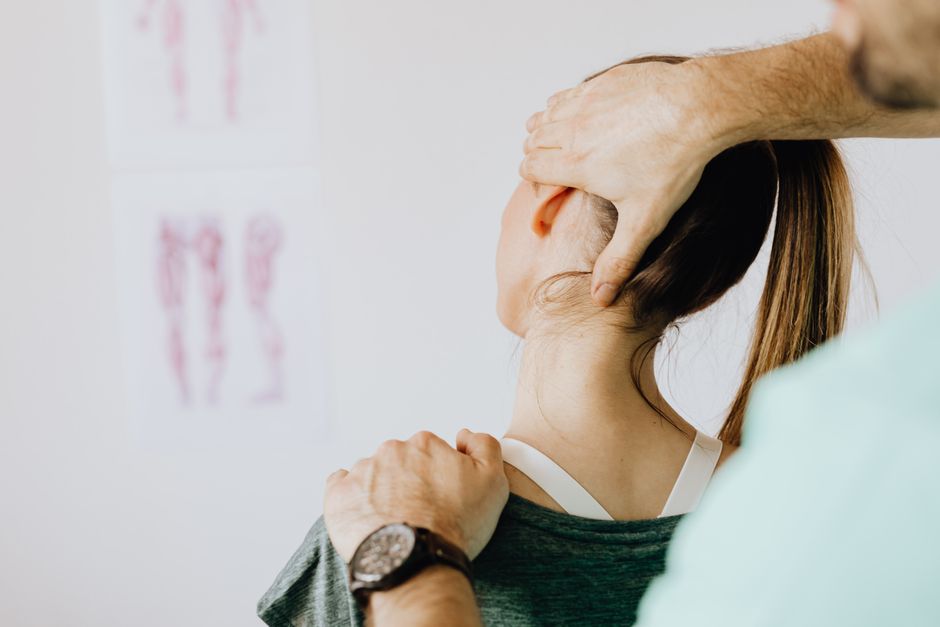
Jaw pain is often treated as a problem limited to the teeth or jaw joint, but the neck and upper spine can also influence how the jaw moves and how discomfort is felt. The jaw, skull, neck, and upper back work as a connected movement system, so irritation or muscle tension in one area may affect another.
For residents of Malta, NY, everyday habits such as prolonged computer use, winter driving posture, carrying bags, stress-related clenching, and sleeping in awkward positions may contribute to this relationship.
What is the connection between the jaw and the spine?
The jaw is connected to the skull through the temporomandibular joints, commonly called the TMJs. These joints sit just in front of the ears and work with the chewing muscles to open, close, and move the mouth.
The jaw also shares muscles, nerves, and movement patterns with the upper neck. Muscles around the base of the skull, throat, shoulders, and upper back help stabilize the head while the jaw moves. If the head is held forward for long periods, the neck muscles may work harder to support it. That added tension can influence the muscles involved in chewing and jaw control.
This does not mean that poor posture is the sole cause of jaw pain. Temporomandibular disorders, dental problems, injuries, arthritis, stress, sleep problems, and teeth grinding can all play a role. The relationship is usually more complicated than a single spinal alignment issue.
Can neck tension cause jaw pain?
Neck tension can contribute to jaw discomfort, especially when the same muscles remain contracted for hours. Tightness may develop after working at a laptop, looking down at a phone, driving, reading, or sleeping with the head turned.
Some people notice:
- Aching near the jaw joint or cheek
- Tightness in the temples
- Neck or shoulder soreness
- Headaches that begin near the base of the skull
- Fatigue while chewing
- Pain when opening wide or yawning
- A feeling that the bite has changed
Pain may also travel between areas. Irritation in the neck can be felt near the face or jaw, while jaw muscle tension can make the neck feel stiff. This is one reason the source of head, face, and neck pain can be difficult to identify without a careful history and examination.
Does forward-head posture damage the jaw?
Forward-head posture does not automatically damage the jaw, and there is no single “perfect” posture that prevents all jaw problems. However, holding the head forward for long periods may change the workload placed on the muscles of the neck, shoulders, and jaw.
A common example is working at a kitchen table or desk with the screen low and the shoulders rounded. Another is using a phone while looking downward for extended periods. During colder months, people may also tense their shoulders and neck while walking outdoors or driving, which can add to muscle tightness.
The more useful question is not whether posture is “good” or “bad,” but whether a position is held too long without movement. Regular changes in position are usually more practical than trying to maintain a rigid posture all day.
What habits may link spinal strain with jaw symptoms?
Several habits can affect both regions:
Teeth clenching: Many people clench without realizing it during concentration, stress, exercise, or sleep. Clenching places repeated demand on the chewing muscles and may also increase tension in the neck.
Uneven sleeping positions: Sleeping with the head sharply rotated, using a pillow that is too high, or resting the jaw against an arm can leave the neck and jaw sore in the morning.
Prolonged screen use: Extended periods of looking down or reaching forward can fatigue the upper back and neck. The jaw may tighten as the body tries to stabilize the head.
One-sided chewing: Consistently chewing on one side because of dental sensitivity, missing teeth, or habit may increase strain on that side of the jaw.
Stress and poor sleep: Stress can increase muscle activity, while inadequate sleep may make pain feel more intense and reduce the body’s ability to recover.
What can be done safely at home?
Mild jaw and neck discomfort often improves with simple measures, although persistent or worsening symptoms deserve evaluation.
Helpful approaches may include:
- Keep the teeth slightly apart when not eating, with the tongue resting comfortably.
- Choose softer foods temporarily if chewing is painful.
- Avoid gum, chewy candy, and very wide bites during a flare-up.
- Apply a warm, comfortable compress to tense jaw or neck muscles.
- Take movement breaks during computer or phone use.
- Raise reading or screen material closer to eye level rather than bending the neck for long periods.
- Use slow, comfortable neck movements instead of forceful stretching.
- Notice whether clenching occurs during driving, work, exercise, or stressful conversations.
Forceful jaw exercises, aggressive stretching, or attempts to “realign” the jaw can aggravate symptoms. Clicking without pain is common and does not necessarily require treatment, but painful clicking or locking should not be ignored.
When should jaw pain be evaluated?
Jaw pain should be assessed when it continues, interferes with eating or speaking, repeatedly returns, or is accompanied by limited opening, locking, swelling, or a noticeable change in the bite.
A dental problem can sometimes resemble a jaw joint or muscle problem. Ear conditions, sinus symptoms, nerve irritation, headaches, and other medical issues may also cause pain near the jaw. Evaluation may involve the teeth, jaw joints, chewing muscles, head, neck, and general medical history.
Urgent medical attention is appropriate for jaw pain with chest pressure, shortness of breath, sweating, nausea, faintness, or pain spreading into the arm or upper body. Sudden facial weakness, severe swelling, fever, difficulty swallowing, or inability to open the mouth also requires prompt care.
What role can spinal care play?
A spinal or musculoskeletal evaluation may be useful when jaw symptoms occur alongside neck stiffness, headaches, upper-back tension, or movement-related discomfort. The purpose should be to understand how the neck, shoulders, and jaw are functioning together—not to assume that every jaw problem originates in the spine.
Care may include education about movement habits, gentle mobility work, ergonomic changes, and coordination with dental or medical evaluation when symptoms suggest another cause. Jaw pain is best approached as a shared head, neck, and oral-health concern rather than as a problem belonging to only one body part.
For local households, small environmental changes can help: alternating work positions, taking breaks during long drives, keeping winter clothing from forcing the head forward, and avoiding prolonged phone use in bed. These steps do not replace diagnosis, but they can reduce unnecessary strain while the cause of symptoms is clarified.
